Payment Protocol Tweaks Steering Mobile Choices in Live Dealer Loyalty Climbs
Written by Blake Schmid · Oct 23, 2026
Payment Protocol Tweaks Steering Mobile Choices in Live Dealer Loyalty Climbs
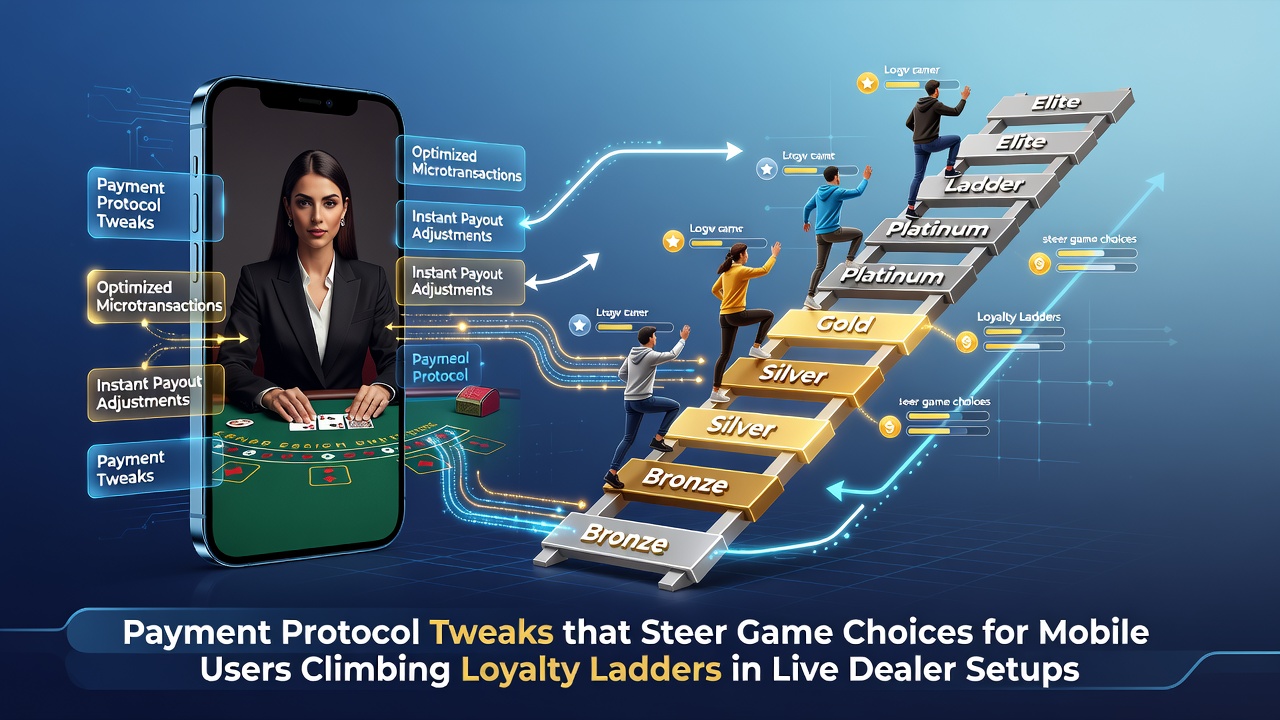
Payment protocol adjustments have emerged as key mechanisms that guide mobile users toward specific live dealer games while they advance through loyalty tiers, and these changes often involve modifications to transaction speeds, fee structures, and reward integrations that align with platform objectives. In October 2026 data compiled by regional operators showed increased adoption of such tweaks across mobile platforms, where users progressing from bronze to platinum levels encountered streamlined processing for baccarat and blackjack tables compared with other options.Core Mechanics of Protocol Adjustments
Operators implement protocol modifications that prioritize certain live dealer sessions by reducing confirmation times for deposits made during peak hours, and this approach connects directly to loyalty point multipliers that accumulate faster when players select designated tables. Research from the American Gaming Association indicates these shifts occur through backend integrations between payment gateways and game servers, allowing systems to detect user tier status and route transactions accordingly without disrupting the overall mobile experience.
Those who've examined these systems note that fee waivers appear more frequently for transactions tied to high-engagement live dealer formats, whereas standard slots or virtual tables receive no such incentives at mid-tier levels. Data shows this differentiation encourages mobile users to migrate their activity toward dealer interactions as they climb loyalty ladders, because accumulated points unlock additional protocol benefits like instant cashouts or reduced minimums on future deposits.
Mobile User Navigation Patterns
Mobile users climbing loyalty structures often discover that protocol tweaks create visible pathways, such as highlighted game lobbies that load quicker after a verified payment, and these elements steer selections without explicit prompts. Observers note the pattern repeats across platforms where loyalty algorithms monitor transaction history, then adjust visibility and processing priorities for live dealer content based on prior engagement metrics.
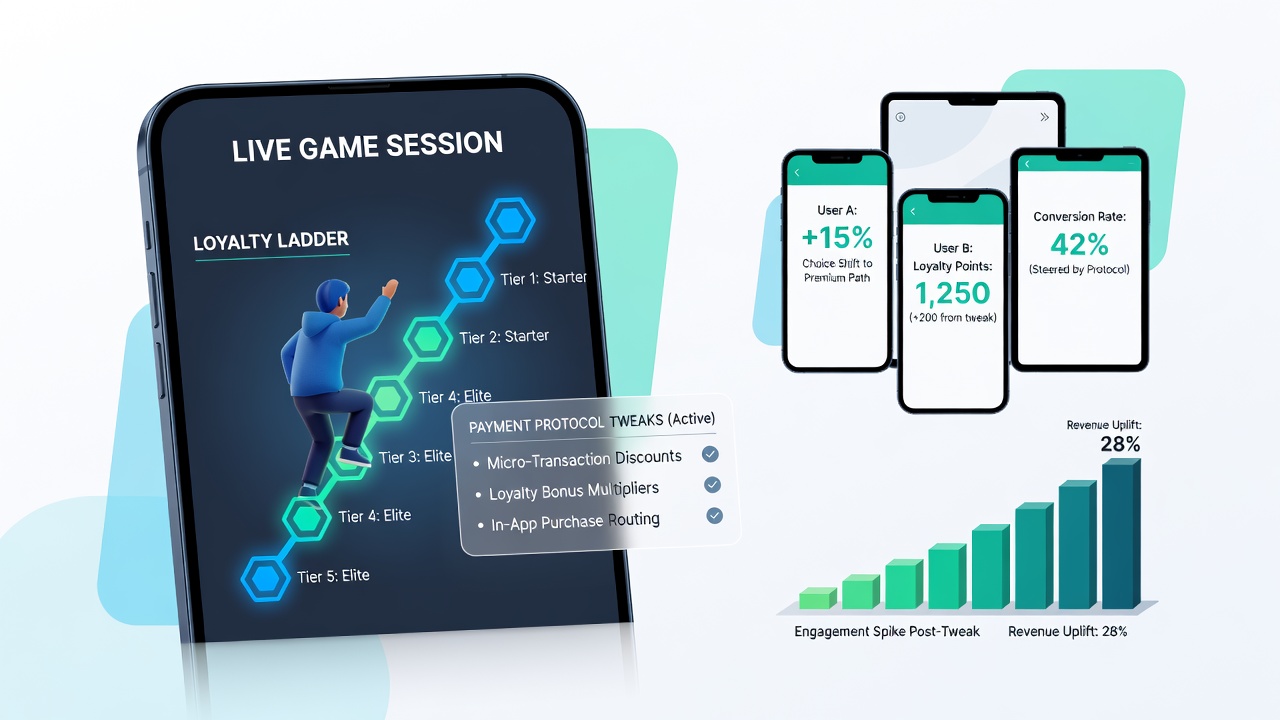
Figures from industry reports reveal that users at silver and gold tiers complete more live dealer sessions after protocol changes reduce latency on those specific tables, while roulette or poker variants experience steadier but slower uptake. This dynamic plays out because the tweaks integrate with existing loyalty databases, automatically applying benefits that favor consistent dealer table participation over scattered game selections.
Integration with Loyalty Progression Systems
Loyalty ladders in these environments rely on payment protocol data to validate tier advancement, and adjustments ensure that deposits supporting live dealer play contribute more directly to point thresholds than other activities. Experts at organizations like the European Gaming and Betting Association have documented cases where modified protocols link transaction success rates to bonus eligibility, creating a feedback loop that rewards users who consistently choose dealer tables during their ascent.
One study revealed that platforms deploying these changes recorded measurable shifts in session duration, with mobile users spending longer intervals at live dealer interfaces once protocol benefits activated at higher tiers. The process works through secure API connections that flag eligible payments in real time, then apply tier-specific perks such as priority queuing or enhanced multipliers that reinforce the cycle of selection and progression.
Regional Implementation Trends
Across North American and European markets, operators have rolled out protocol variations that account for local regulatory frameworks, and these adaptations maintain compliance while still directing mobile traffic toward live dealer options for loyalty purposes. In October 2026 updates from various jurisdictions highlighted how fee reductions on approved payment methods correlated with higher participation rates in dealer games among advancing users.
What's interesting is the way these tweaks avoid overt mandates, instead embedding incentives into the transaction flow so users naturally gravitate toward games that unlock smoother processing and faster rewards. Researchers discovered that such integrations often produce sustained activity patterns, as players who reach diamond or elite tiers continue favoring the same live dealer formats that supported their earlier climbs.
Conclusion
Payment protocol tweaks continue to shape mobile user decisions in live dealer loyalty systems by aligning transaction efficiencies with tier advancement goals, and evidence from multiple sources confirms their role in guiding game selections without altering core gameplay mechanics. As platforms refine these connections, the interplay between payment flows and loyalty structures remains a central factor in how users navigate and progress through mobile casino environments.